
Undergoing chemotherapy is a significant medical journey, and nutrition plays a vital role in supporting your body's resilience throughout treatment. Understanding what to eat can significantly impact your energy levels, ability to tolerate treatment, and overall recovery. This guide aims to provide comprehensive, evidence-based information to empower you with knowledge about optimal nutrition during chemotherapy, helping you make informed choices to support your well-being.
Strategic Analysis
This article provides general information and should not replace professional medical advice. Always consult your oncologist and a registered dietitian for personalized guidance.
End of Analysis
★ Special Recommendation
Premium Health Coverage - What to Eat During Chemotherap
Special coverage adapted to your specific region with premium benefits.
Expert Verdict
Dr. Elena Rostova - Strategic Insight
"Prioritizing nutrient-dense foods and staying hydrated are paramount during chemotherapy to support your body's fight. Consulting with a registered dietitian is the most effective way to personalize your dietary approach and manage treatment-related side effects."
Frequently Asked Questions
What are the most important nutrients to focus on during chemotherapy? ↓
During chemotherapy, it's crucial to focus on protein for tissue repair and immune function, complex carbohydrates for energy, and essential vitamins and minerals from fruits and vegetables. Staying well-hydrated with water, broths, and herbal teas is also vital.
How can I manage nausea and loss of appetite caused by chemotherapy? ↓
To manage nausea, try eating small, frequent meals, avoiding strong odors, and opting for bland, easy-to-digest foods like crackers, toast, rice, and clear broths. For loss of appetite, focus on nutrient-dense foods when you do feel hungry and consider nutritional supplement drinks recommended by your doctor or dietitian.
Are there any foods I should avoid during chemotherapy? ↓
Generally, it's advisable to avoid raw or undercooked meats, poultry, and seafood, as well as unpasteurized dairy products, to minimize the risk of infection. Your oncologist or dietitian can provide specific guidance on foods to avoid based on your individual treatment and health status.
Verified
Verified Expert
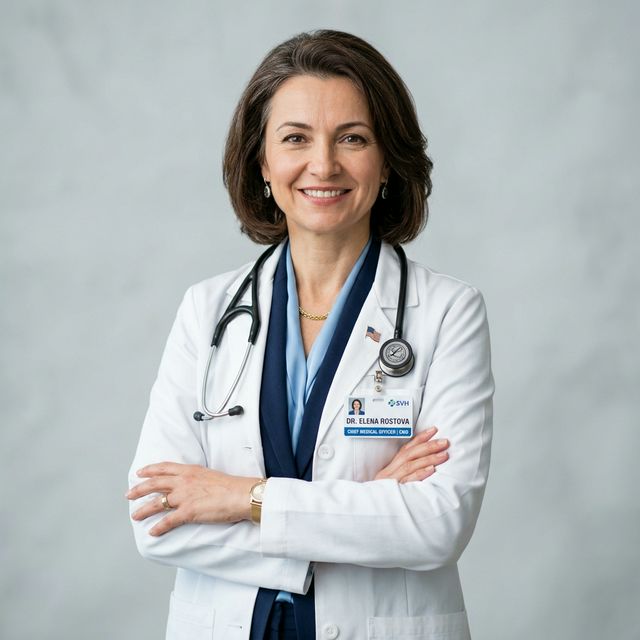
Dr. Elena Rostova
Chief Medical Officer and Preventive Health Specialist with 15+ years of clinical experience. Dedicated to translating complex medical science into actionable longevity strategies.
Contact
Contact Our Experts
Need specific advice? Drop us a message and our team will securely reach out to you.